A New Gold Standard: How Alysa Liu is Redefining the Ice
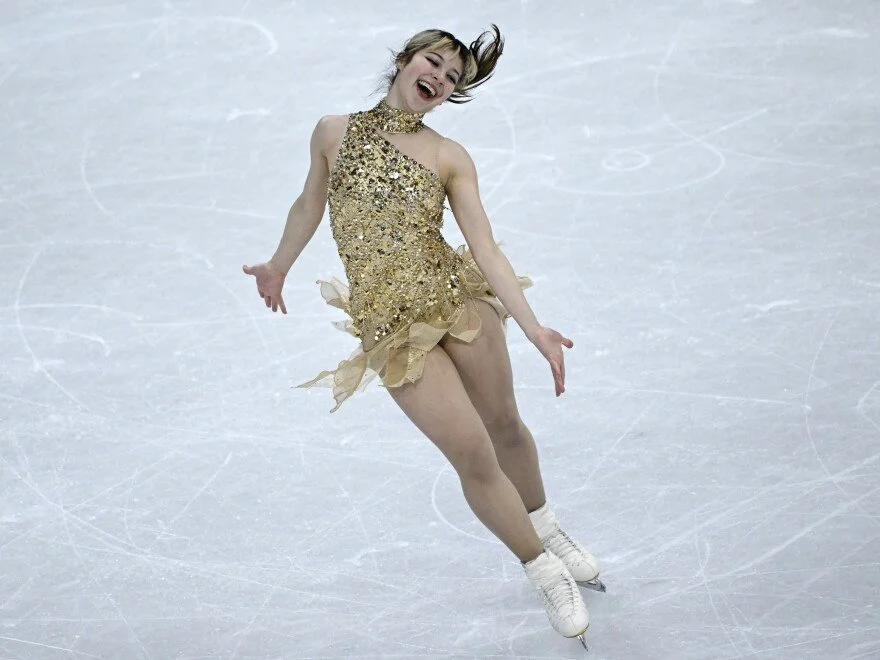
Olympic-level figure skating requires precision, focus and, above all, elegant technique. This standard extends to what athletes wear. Costumes must be “modest, dignified and appropriate for athletic competition, avoiding excessive theatricality or nudity,” according to the International Skating Union, guidelines that have been rebelled against in the past. Skaters can even face a 1-point deduction for costume violations or wardrobe malfunctions.
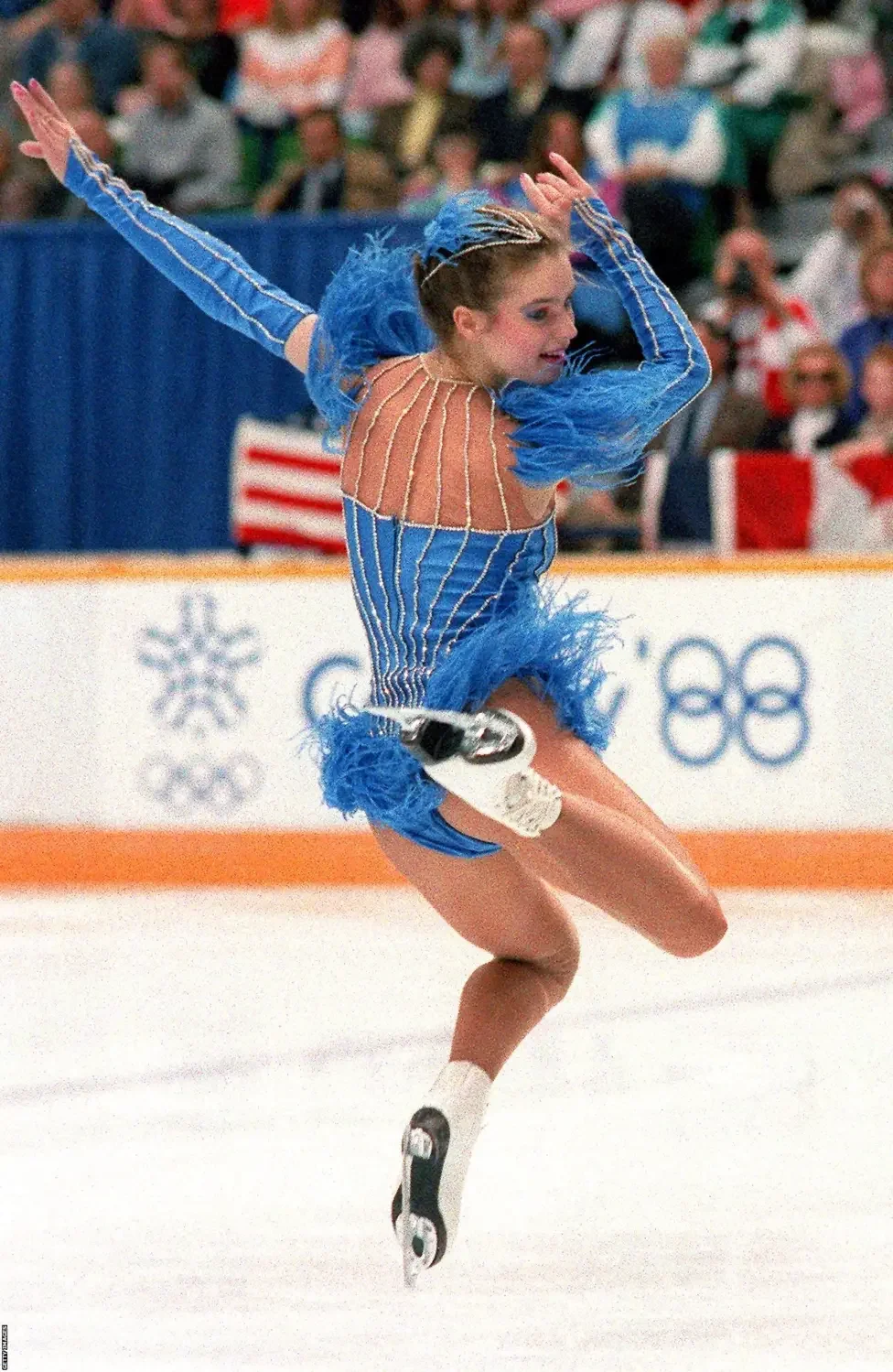
These strict regulations have resulted in heavy criticism of skaters in the past. One of the most controversial and boundary-pushing moments on the ice was in 1988, when Katarina Witt’s blue feathered costume was deemed too provocative, resulting in even stricter regulations on female costume length.
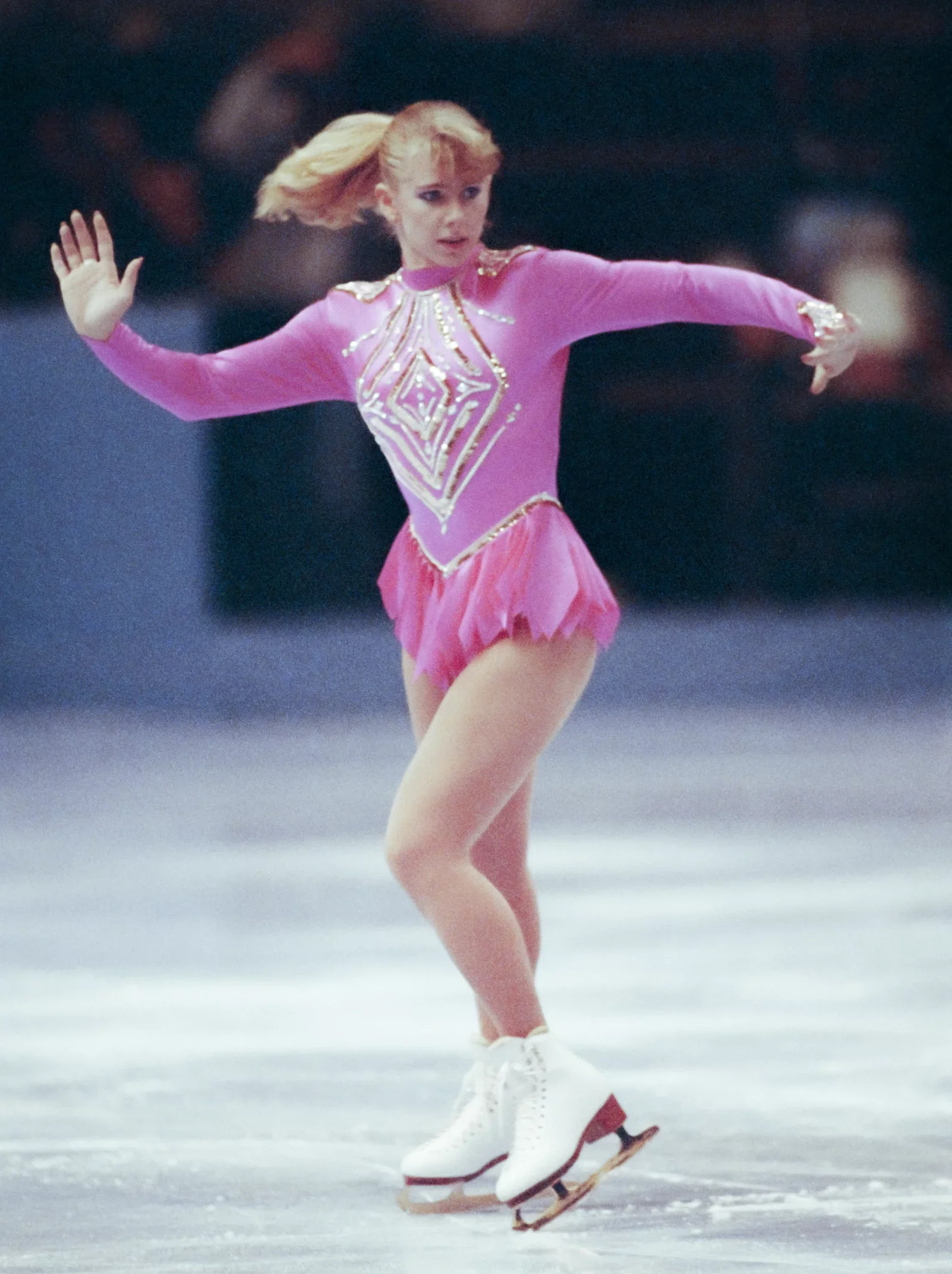
Tonya Harding, whose name is often tied to a separate controversy, first came under fire for her homemade costumes, as she could not afford the same expensive designs as her competitors. This led to negative comments from both the press and judges, specifically in 1991 when she won the U.S. women’s championship despite her homemade bright pink costume, which the judges reportedly deemed “cheap” and requested for the outfit to not be worn again.
The criticism revealed an uncomfortable truth about the sport, in that presentation and perfection are often treated as proxies for an athlete's worth.
Women’s sports wear in women's has always been a source of turmoil for audiences, judges, and especially the media. What one wears to compete can completely overshadow performances, drowned out by unbecoming snapshots to be plastered on tabloids. While this issue prevails some decades later, the glass ceiling has been cracking for decades, and it may only take one more person to make a change.
Enter Alysa Liu. Her hair is bleached with rings of gold, her mouth sparkles with a visual facial piercing, and her day-to-day style is that of a grunge side character from your favorite 2000’s movie.
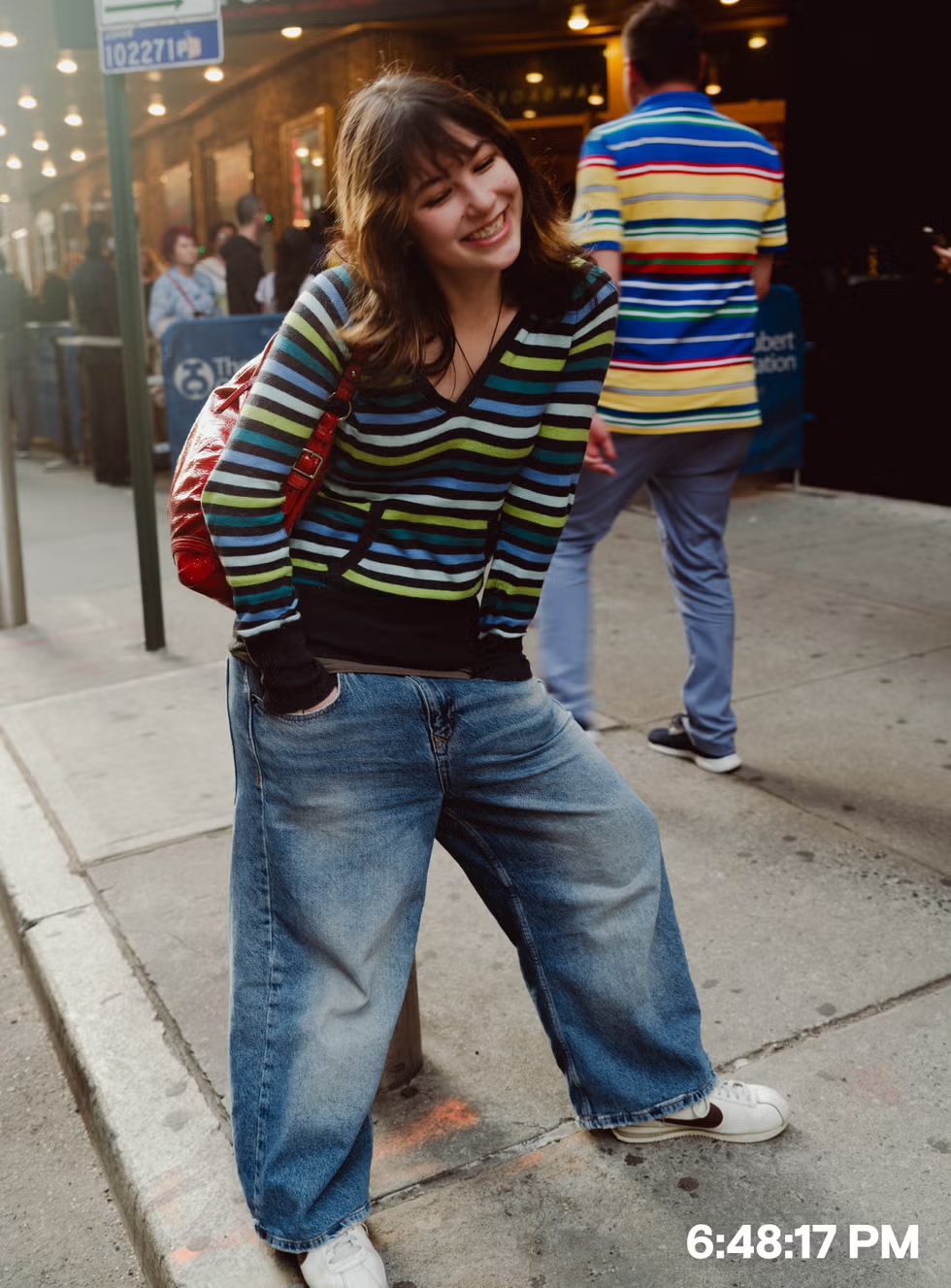
At just twenty, Liu has cemented herself as a household name, winning gold in her second Olympic appearance this year in Milan, an accomplishment that the US team had not met for over twenty years prior. She continuously pushes the cookie-cutter expectations of what women are meant to look like on the ice, working with Los Angeles designer Liza McKinnon to seamlessly blend her personal style into her on-the-ice persona.
McKinnon is no stranger to the figure skating scene, dressing the entirety of the U.S. and South Korean women’s teams for the 2026 short program and free skate (Los Angeles Times). Having grown up as a figure skater in Sweden, McKinnon has a special talent for selecting fabrics that stand out while remaining practical for competition. McKinnon’s designs, though brilliant and locally sourced, cost thousands of dollars. This raises the question: how accessible is the figure skating world for athletes who rely solely on talent, and not money?
Liu’s rise to stardom makes it clear that success is not determined solely by the price tag of a costume. Her fearlessness on the ice is something that can’t be bought, fans and judges alike being instantly drawn in.
In an interview with USA Today Sports, she shared her perspective on mental clarity, stating "I connect with everything but I'm not attached to anything”. In a sport that traditionally demands perfection and often grinds athletes into a brittle, make-or-break mindset, Liu’s sentiment took the world by storm. Social media users reposted the quote as a mantra, praising her ability to compete at the highest level without tying her identity to the scoreboard.
Liu shows the skating world that personal style carries as much weight as technical skill or a luxury costume. Somehow, the intricate designs she skates in are the least interesting parts of her. The clothes catch the light, but she is what people are watching.
“Joy is her brand,” her coach Phillip DiGuglielmo said. “She pulls people out onto the ice with her and you experience that with her.” (NY Times)
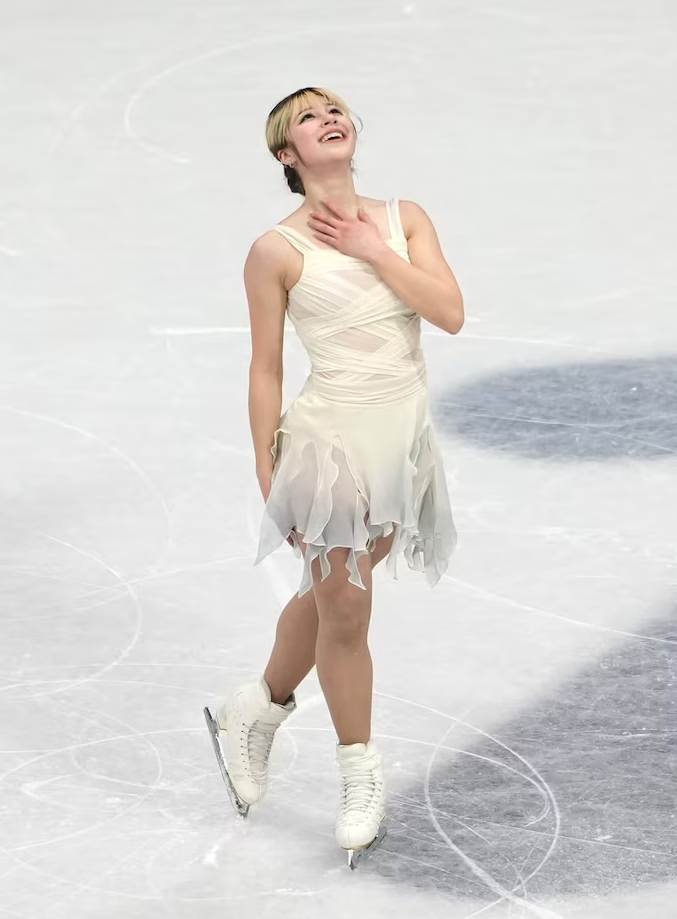
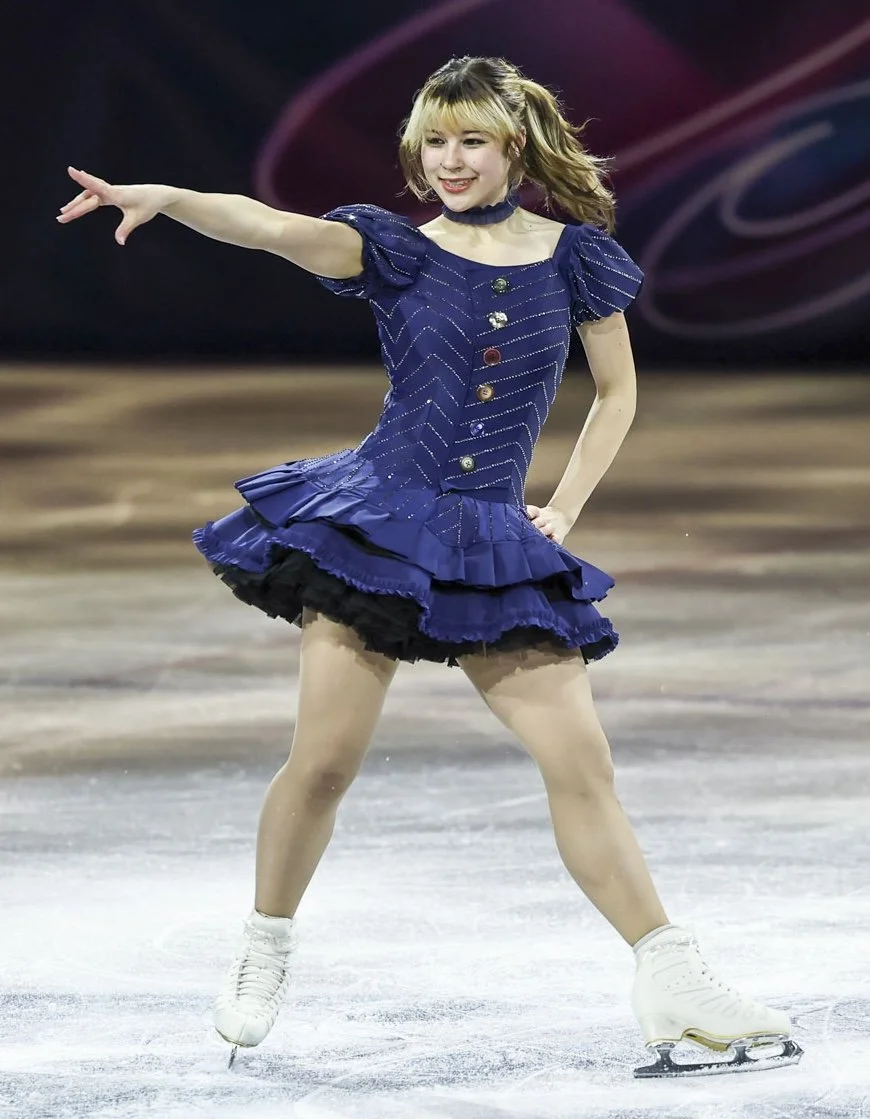
Liu dazzled international audiences and the judging panel alike this year in Milan, placing first while wearing her now iconic golden dress during her dominating performance. Her routines have gone viral, and her authentic passion for expressing herself on the ice proved that perhaps figure skating doesn't have to be as cold and rigid as the ice they skate on.
Written by: Kat O’Connor